Historical Home Renovation Contractors
in Philadelphia
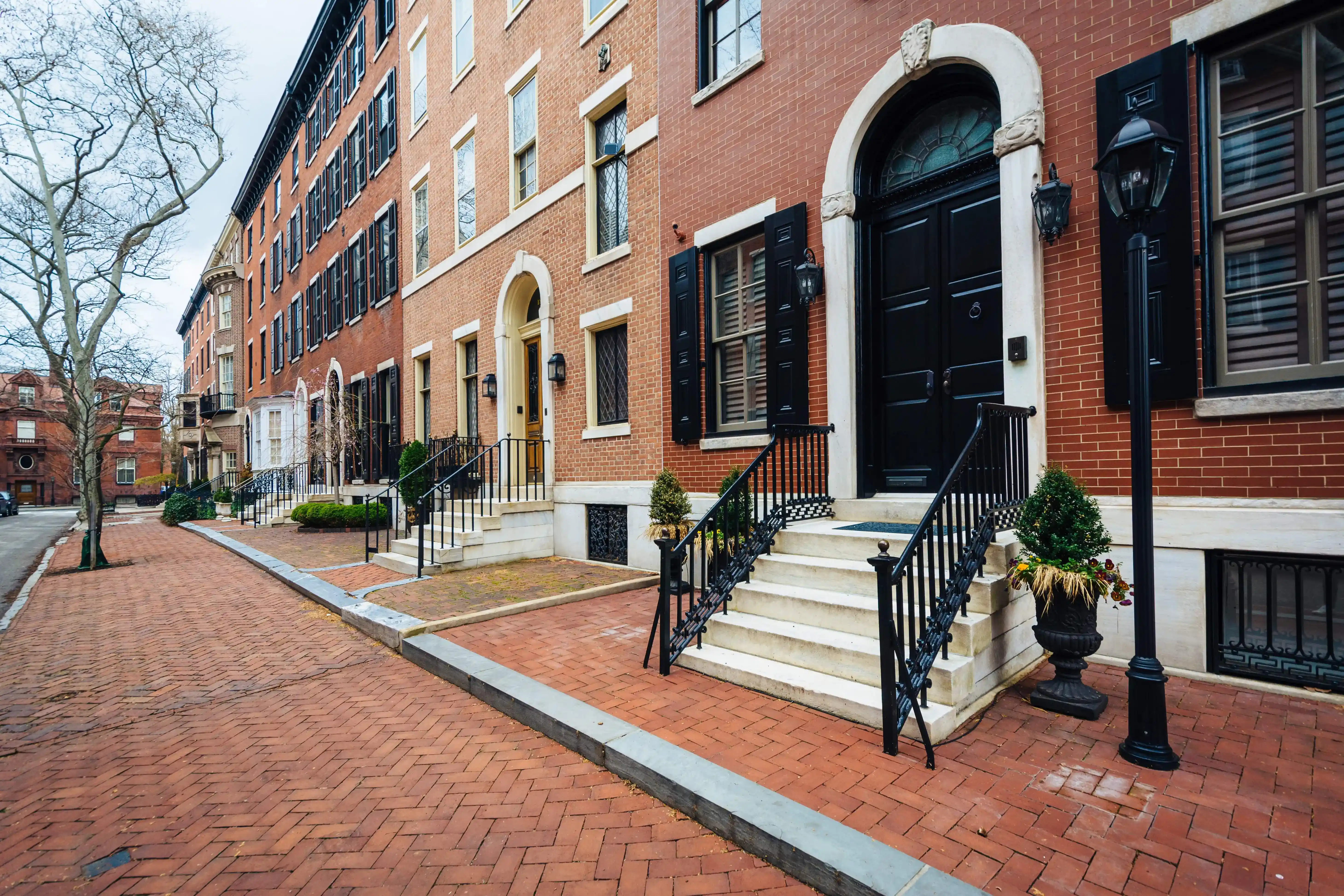
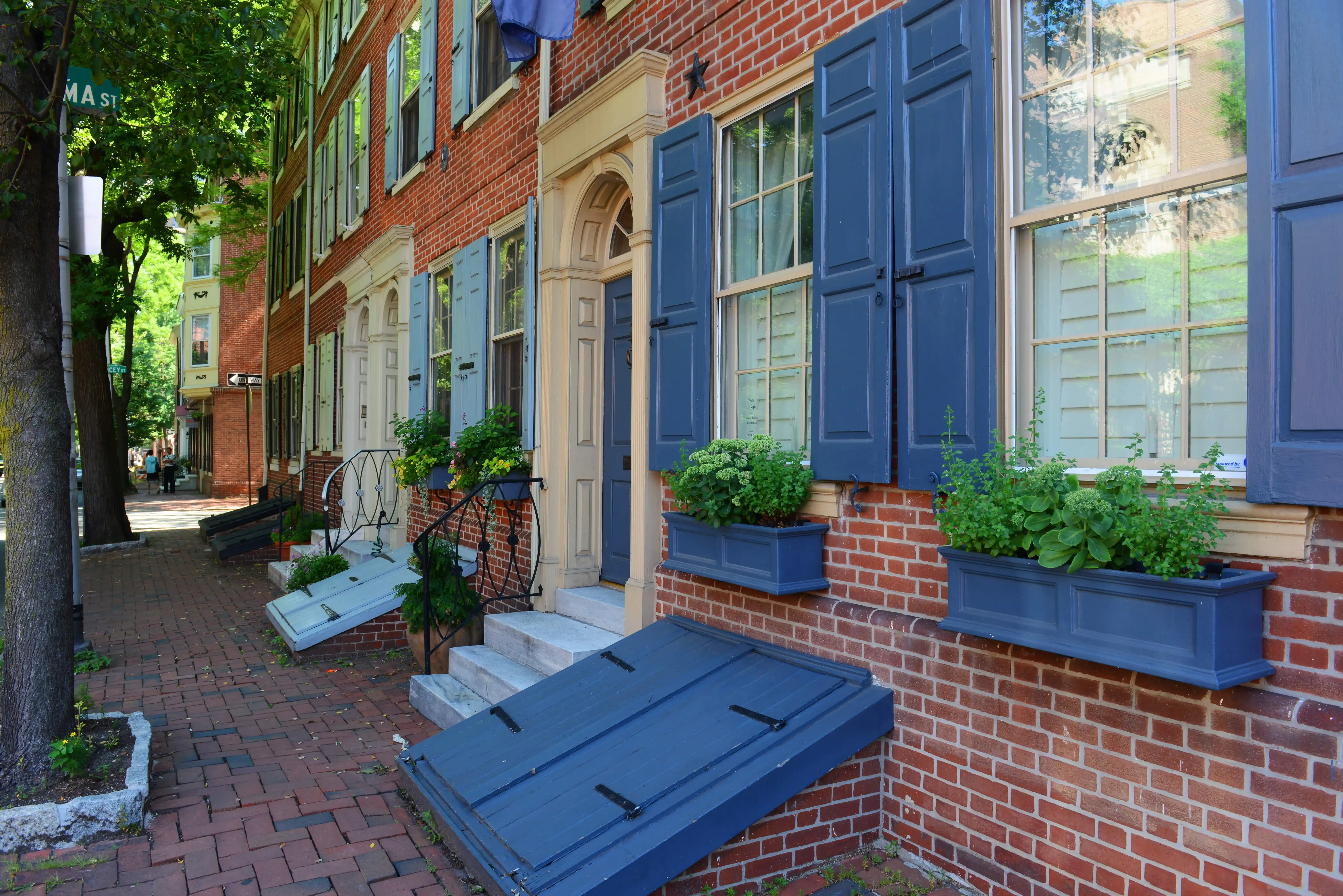
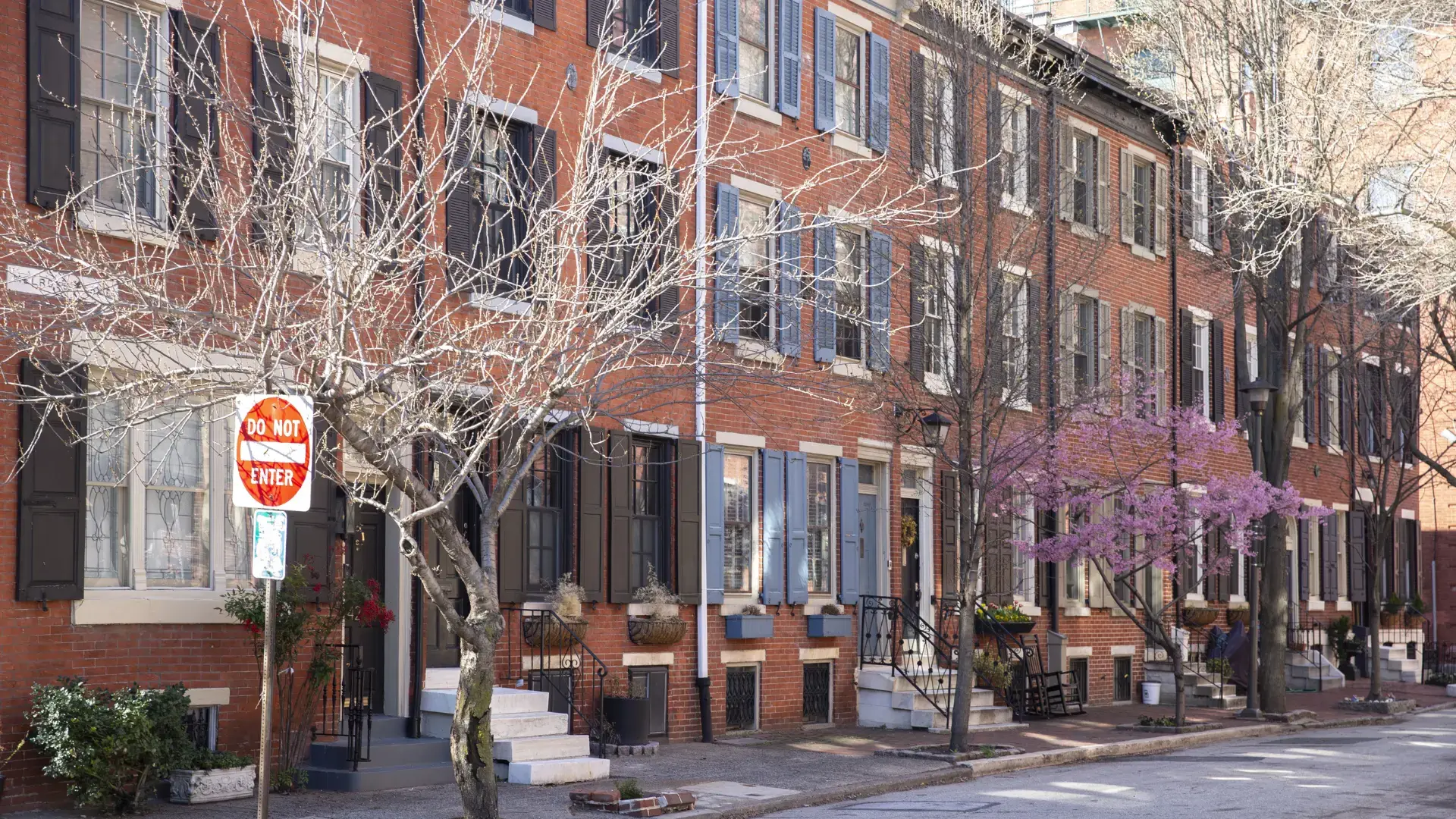
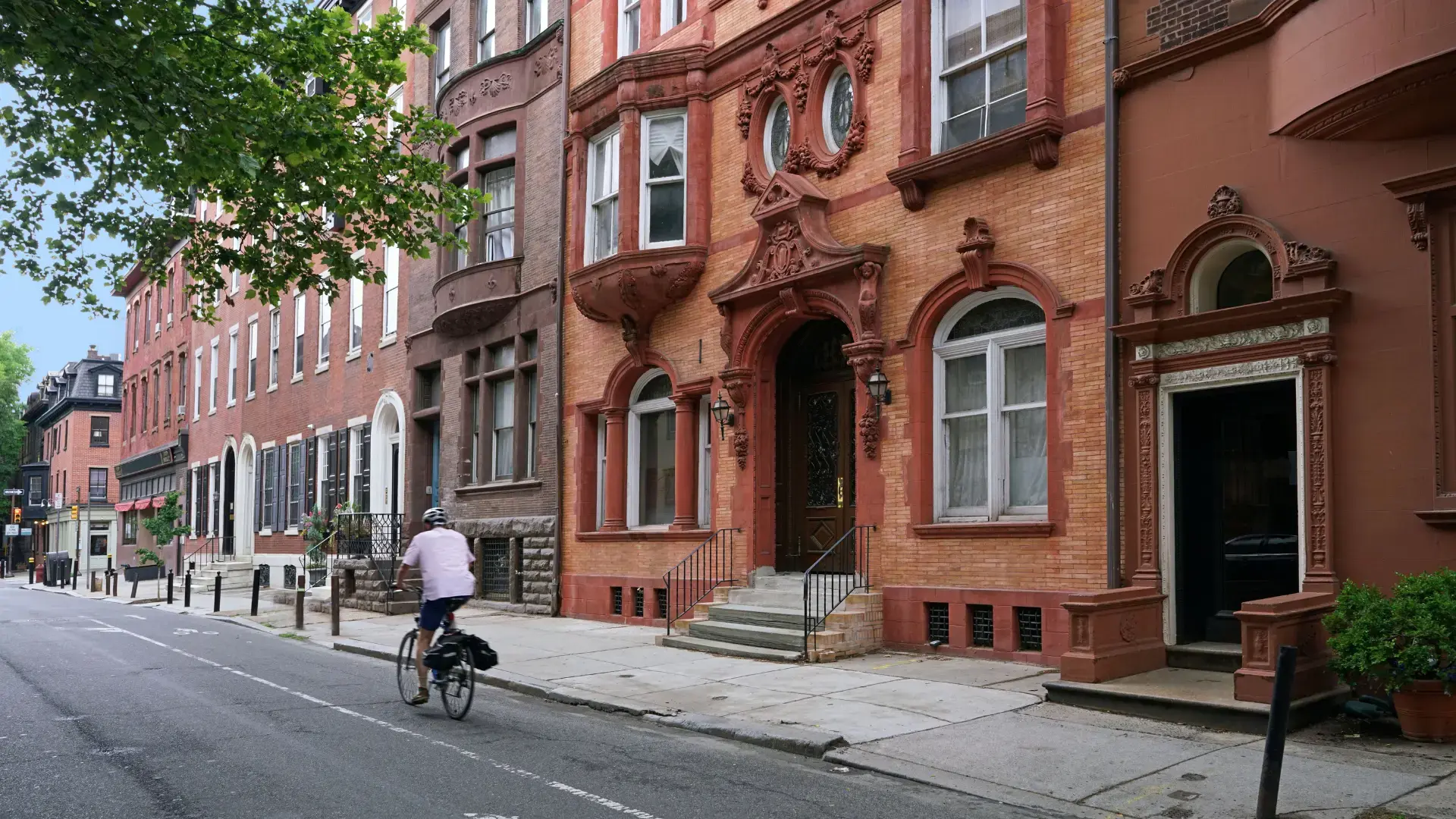
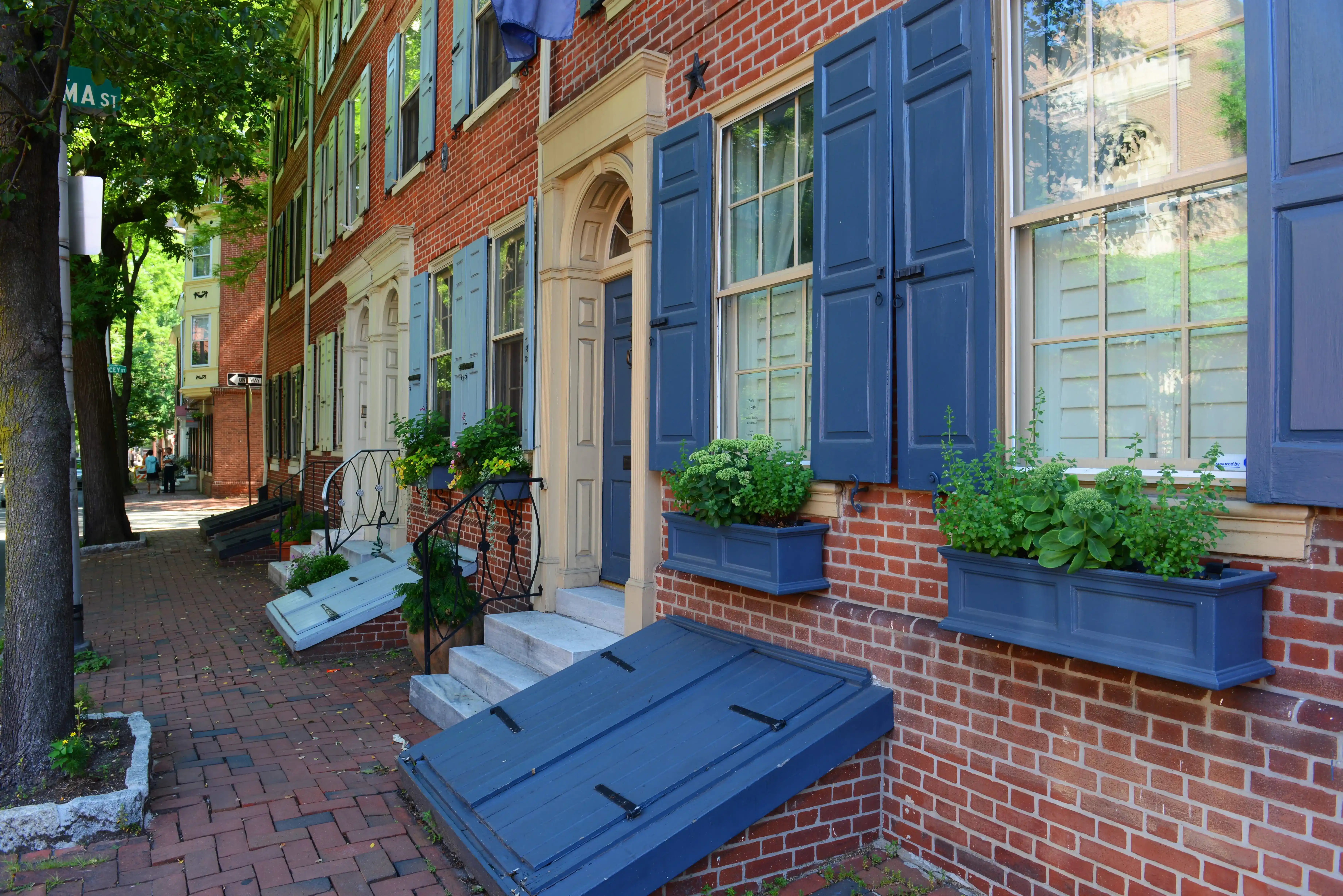
Philadelphia is full of old homes worth saving, rowhomes, stone farmhouses, Victorians, and brownstone fronts, and renovating one is nothing like renovating a new build. The materials are soft, the methods are old, and the wrong repair does lasting damage. APS renovates historic homes across Philadelphia, Bucks County, and Montgomery County, restoring the masonry and character with period-matched materials and the methods these houses actually need. Licensed and insured since 2017 (PA #139378).
Get a Quote!
Our Philadelphia Historic Renovation Services
Facade & Masonry Restoration
Bringing a tired historic facade back with matched brick, stone, and craftsmanship. See our masonry services.
Brownstone Restoration
Repairing spalling and crumbling brownstone with matched, breathable materials. See brownstone restoration.
Repointing with Historic Mortar
Raking out failed joints and repointing with soft, lime-based mortar suited to old masonry. See brick pointing.
Stucco & Stone Restoration
Restoring historic stucco and stonework to match the original. See stucco remediation.
Chimney Restoration
Rebuilding and repointing historic chimneys that have taken a century of weather. See chimney repair.
Structural & Foundation Repair
Stabilizing old stone foundations and failing structure. See foundation repair.
Types of Historic Homes We Restore
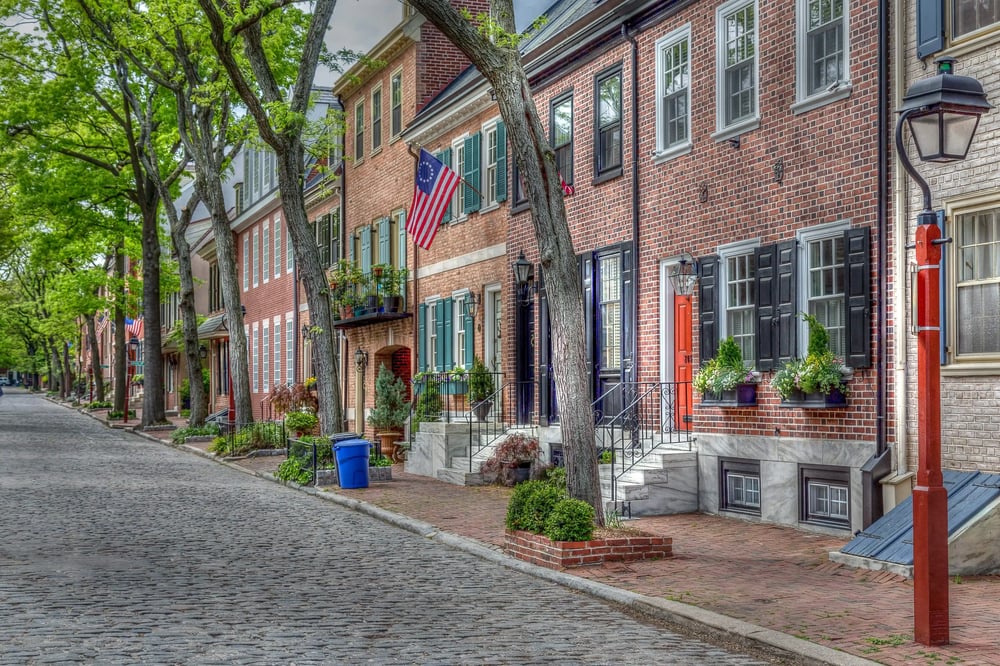
Philadelphia's housing stock is older and more varied than almost anywhere in the country, and each type has its own quirks:
- Rowhomes and brick twins, the backbone of the city, usually soft brick laid with lime mortar and shared party walls
- Brownstone-fronted homes, where soft sandstone facing spalls and delaminates over time
- Stone farmhouses, common out toward Bucks and Montgomery Counties, built from local fieldstone
- Victorians and twins with detailed brick and stonework that needs matching, not replacing
- Stucco-over-masonry homes, where failing stucco hides the condition of the wall underneath
We've worked on all of them, and the approach starts with reading what the house is actually built from.
Signs Your Historic Masonry Is Failing
Old masonry warns you before it fails. On a historic home, watch for:
- Mortar joints that are crumbling, cracked, or washed out
- Brick or brownstone faces that are flaking, blistering, or shedding
- White, chalky efflorescence bleeding through the wall
- Cracked or bulging stucco
- A leaning or crumbling chimney
- Damp interior walls or a musty smell, a sign water is getting through the masonry
Caught early, these are straightforward restorations. Left alone, water turns them into structural work.
Why Historic Homes Need a Specialist
Old houses are built from soft materials, and they're unforgiving of modern shortcuts. The brick is soft and was laid with soft, lime-based mortar that flexes and breathes; a lot of the stone was face-bedded, set against its natural grain. Come in with hard Portland-cement mortar or a non-breathable sealer and you trap moisture against the masonry and spall the face right off it. Restoring a historic home the right way means matching the materials to what's already there, so the repair works with the house instead of destroying it. That's the whole job, and it's why this isn't work for a general remodeler.
Working Within Philadelphia's Historic Rules
Many of Philadelphia's older homes are in historic districts or individually designated, and that means exterior changes can need review by the Philadelphia Historical Commission. We know how to work within those requirements, using appropriate materials and methods that keep a designated property compliant. And honestly, even on a home that isn't designated, that's how it should be done, matched, reversible, and true to the original.
Preserve the Character, Upgrade What's Failing
A good historic renovation keeps what makes the house special and fixes what's actually failing. We're not stripping out the character to modernize it; we're stabilizing the masonry, sealing out water, and restoring the facade so the home keeps its history and stops deteriorating. Done right, that protects the house and adds real value, the charm buyers pay for, without the problems that scare them off.
What to Expect Working With APS
Assessment
We look at what's failing, what's original, and what each area needs.
Match & Source
We match the brick, stone, and mortar to the original before any work goes up.
Restoration
We restore with soft, matched, period-appropriate materials, and keep a clean jobsite.
Protection
We finish with breathable weather protection so the restored masonry stays sound.
Why Philadelphia Homeowners Choose APS
We're a local, family-run crew, licensed, and we've restored historic masonry across Philadelphia since 2017 out of our shop in Huntingdon Valley.
- Licensed and insured, PA #139378
- Home Advisor Top Rated, Screened & Approved
- 5.0-star rated on Google
- Period-matched materials and historic methods, no hard-cement shortcuts
- Free, written estimates with a clear scope
Before you call, see the work. Browse recent restorations in our gallery and read our Google reviews. We'd rather you hire us because you've seen what we do.
Areas We Serve
We renovate historic homes across Philadelphia, Bucks County, and Montgomery County, including Chestnut Hill, Mt. Airy, Manayunk, Roxborough, Germantown, South Philly, Society Hill, Glenside, Jenkintown, Cheltenham, Gladwyne, and Huntingdon Valley.
Historical Home Renovation FAQs
-
What does historic home renovation include?
For us, it's the masonry and structural side of an old house, facade and brick and stone restoration, repointing with historic mortar, brownstone repair, stucco and stone restoration, chimney rebuilding, and foundation stabilization.
-
How much does historic renovation cost in Philadelphia?
It depends entirely on the condition of the house and how much needs restoring. We assess the home and give you a written estimate that matches the actual scope, phased where it makes sense.
-
Do you match the original brick, stone, and mortar?
Yes, and it's the heart of the job. We match the material, color, and mortar to the original, using soft lime-based mortar on old masonry so the repair reads as original and doesn't damage the surrounding stone.
-
Do I need approval to renovate a historic home in Philadelphia?
If the home is individually designated or in a historic district, exterior changes can require review by the Philadelphia Historical Commission. We work within those requirements with appropriate materials and methods.
-
Why can't I use regular mortar or cement on an old house?
Because old brick is soft. Hard modern Portland-cement mortar is stronger than the brick around it, so it traps moisture and pops the faces off the brick. Soft, lime-based mortar flexes and breathes the way the wall was built to.
-
Can you modernize while keeping the historic look?
Yes. We preserve the exterior character and restore what's failing, so the home keeps its history and gains durability at the same time.
Check Out Our Blog
5 min read
2025 Farmhouse Restoration Trends in Bucks & Montgomery County
Alec Serowatka: Oct 13, 2025
8 min read
Historic Home Remodeling Costs Philadelphia 2025
Alec Serowatka: Oct 10, 2025

© 2026 APS Masonry Contracting LLC. All rights reserved. License #PA139378.